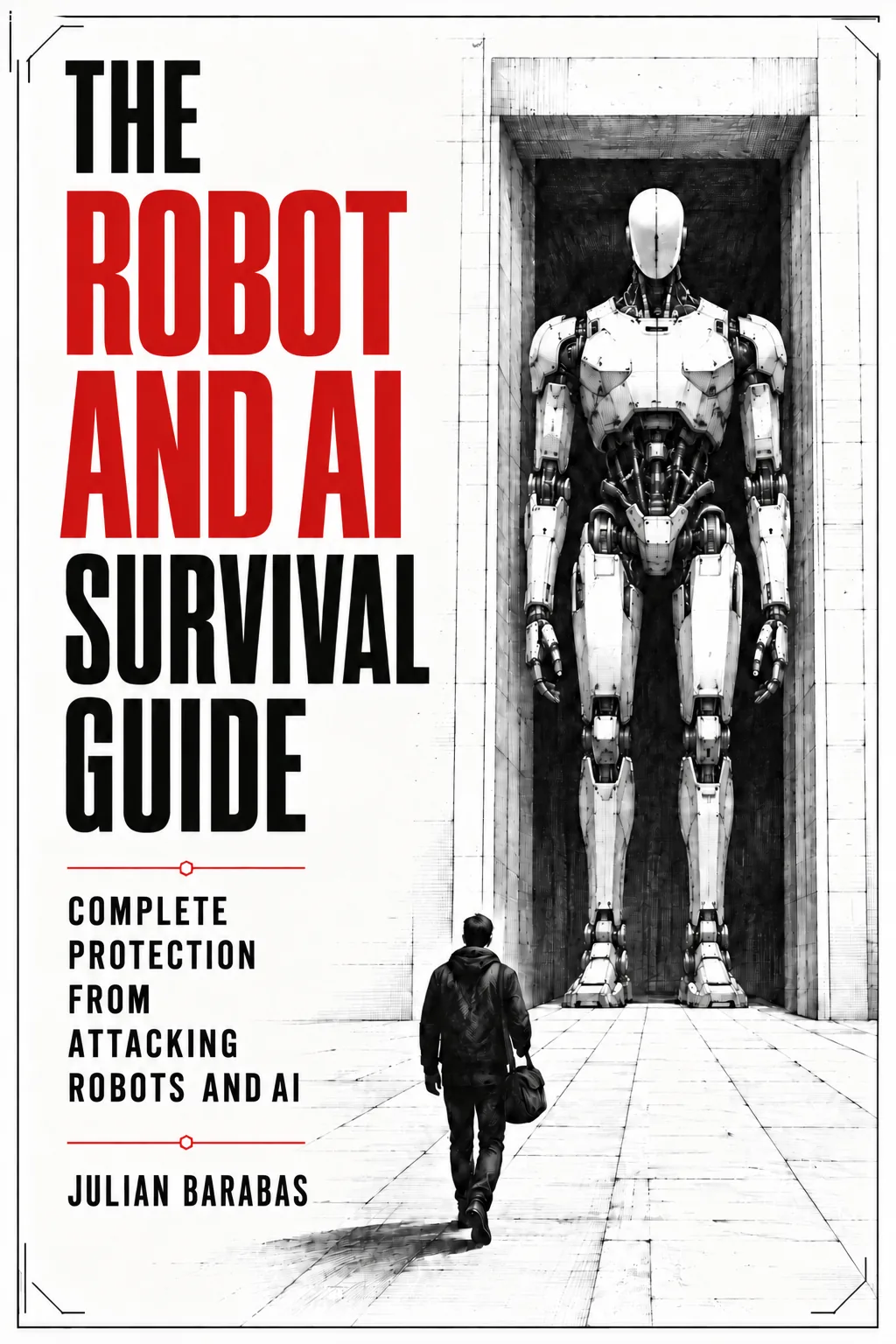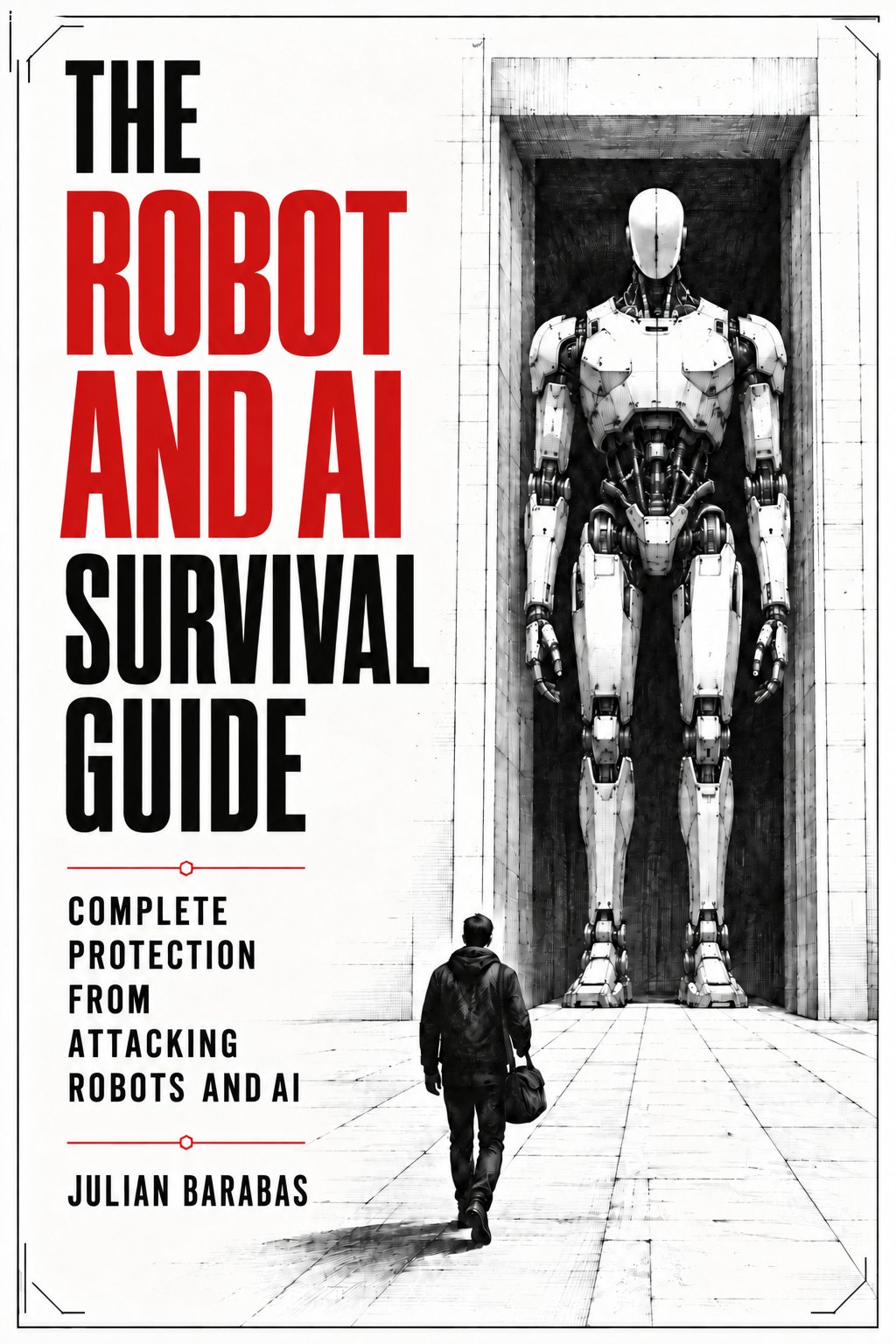
Front cover of The Robot and AI Survival Guide by Julian Barabas: a man with a shoulder bag walks toward a towering white humanoid robot filling a monolithic doorway.

Coming 2027 · By Julian Barabas

The Robot and AI
Survival Guide

An illustrated field guide to rogue robots, weaponized machines and AI risks

The future was supposed to make life easier.
Keep a backup plan.

The humanoid robot has your sleeve. You have told it to let go. Across town, a drone turns when a woman turns, then follows her into a street with nowhere to hide. At home, an AI agent spends money you never authorized and sends you a cheerful confirmation. A malfunction, a weapon, a decision made without you: the reasons are different. Your problem is the same. Something has already happened, and you need to know what to do next.

Read this while the machines are behaving. A darkly funny, illustrated field guide to recognizing the danger, preparing your household and making better decisions when the demonstration is over.

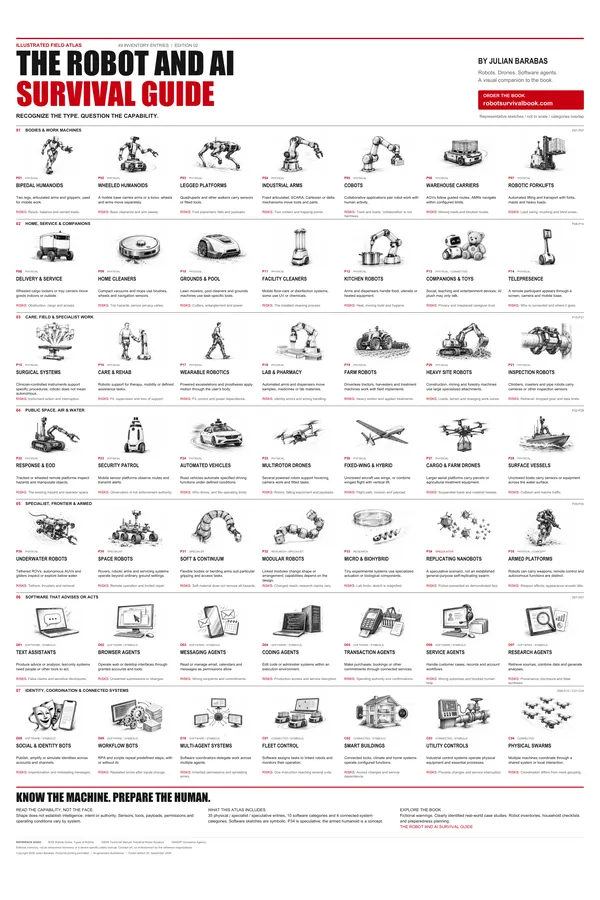
The Robot and AI Field Atlas: a 24 by 36 inch wall chart with forty-nine labeled sketches of robots, drones, software agents and connected systems, each with its risks, arranged in seven titled bands.

Get to know the machines.
Preferably before the incident.

Sign up before launch and the poster is yours today. The Robot and AI Field Atlas puts 49 categories of robots, software agents and connected systems on one printable wall chart, with sketches, features and risks.

Find the familiar ones. Meet the ones you hadn't considered. Leave room on the wall for something less reassuring than the family calendar.

You don't need to predict the uprising.
You do need a plan.

Most days, the machine does its job. That's why you stop watching it. Preparation begins with the less comfortable question: what happens when its job, its instructions or the person controlling it becomes a danger to you?

01

It doesn't have
to turn evil

A machine can hurt someone without developing a personality first. A failed sensor. An unsafe command. A load moving through the space where a person is standing. The book helps you separate what you can actually observe from the explanation everyone is volunteering. You can investigate the robot's intentions from somewhere safer.

02

Sometimes the harm
is the assignment

An armed drone is not a household appliance having a difficult afternoon. Machines designed to track, target or kill belong in a different conversation from a mower that won't stop. This guide makes that distinction, approaching military threats from the civilian's side: exposure, shelter, evacuation and the limits of what you can control.

03

The clever trick
may get you closer

Someone online says to spray the camera. Someone else says stairs will save you. Before staking your fingers on either, ask which machine they tested. The guide examines familiar survival claims, explains why capabilities matter and puts distance ahead of a close encounter with your own theory.

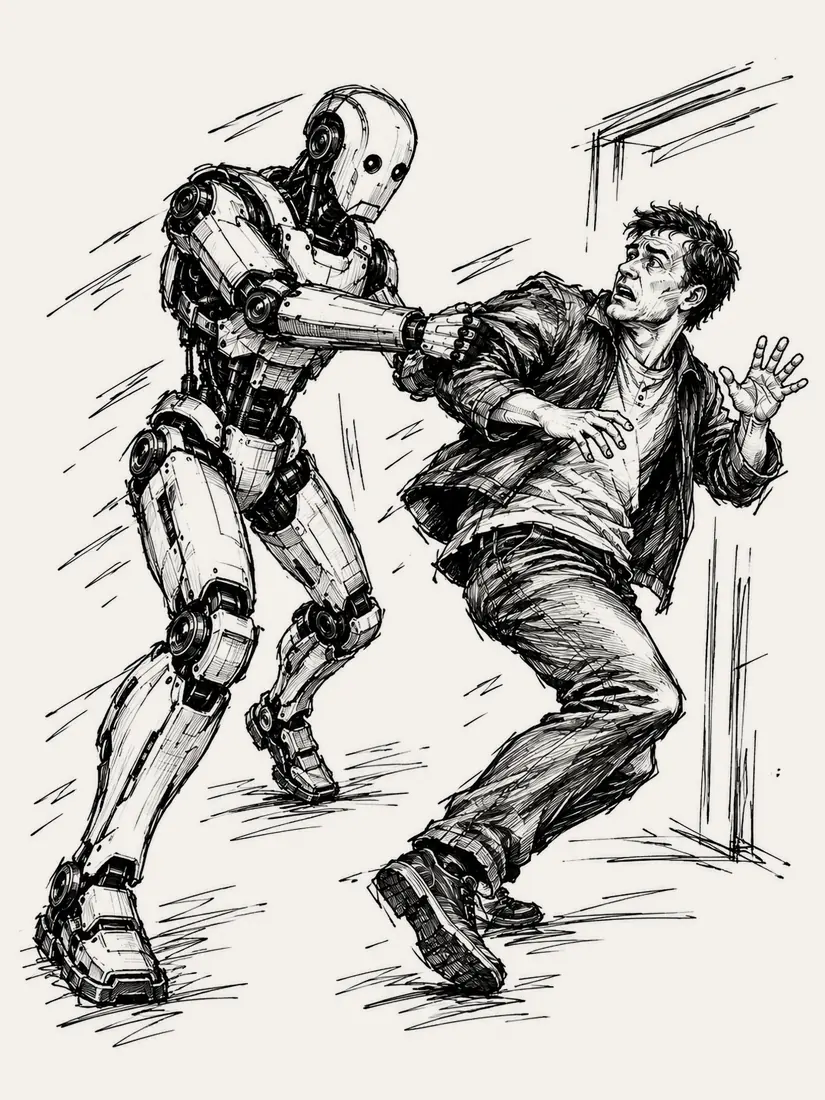
Loose ink sketch: a humanoid robot has taken hold of a man's arm; he is pulling away against a doorframe with one hand raised.
You can be right about what went wrong and still be standing too close.

Some have hands.
Others already have your password.

The humanoid gets the cover. It doesn't get the whole book. Danger can cross a factory floor, arrive from the sky or work quietly through an account you gave permission to use.

01

The machines
you can see

Humanoid robots, warehouse carriers, industrial arms, autonomous vehicles, domestic machines and drones. From the kitchen to the conflict zone, the body changes the problem: weight, reach, speed, moving blades, carried loads or weapons. Learn to notice what a machine can do, not how friendly its face looks.

02

The agents you
can't stand back from

Software doesn't need a steel hand to do damage. It can spend, send, delete, impersonate or act on an instruction you never intended it to follow. Explore the risks of delegated authority, convincing fakes and automated decisions, with practical preparation around permissions, verification and recovery.

03

The trouble that
travels between them

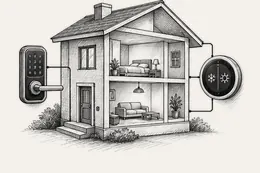
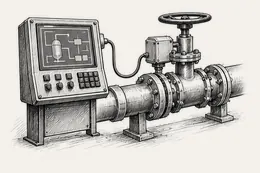
A connected building can make a local problem harder to leave. A shared command can affect a fleet. The guide looks beyond individual machines to the doors, networks and control systems around them, including what remains available when the convenient way stops working.

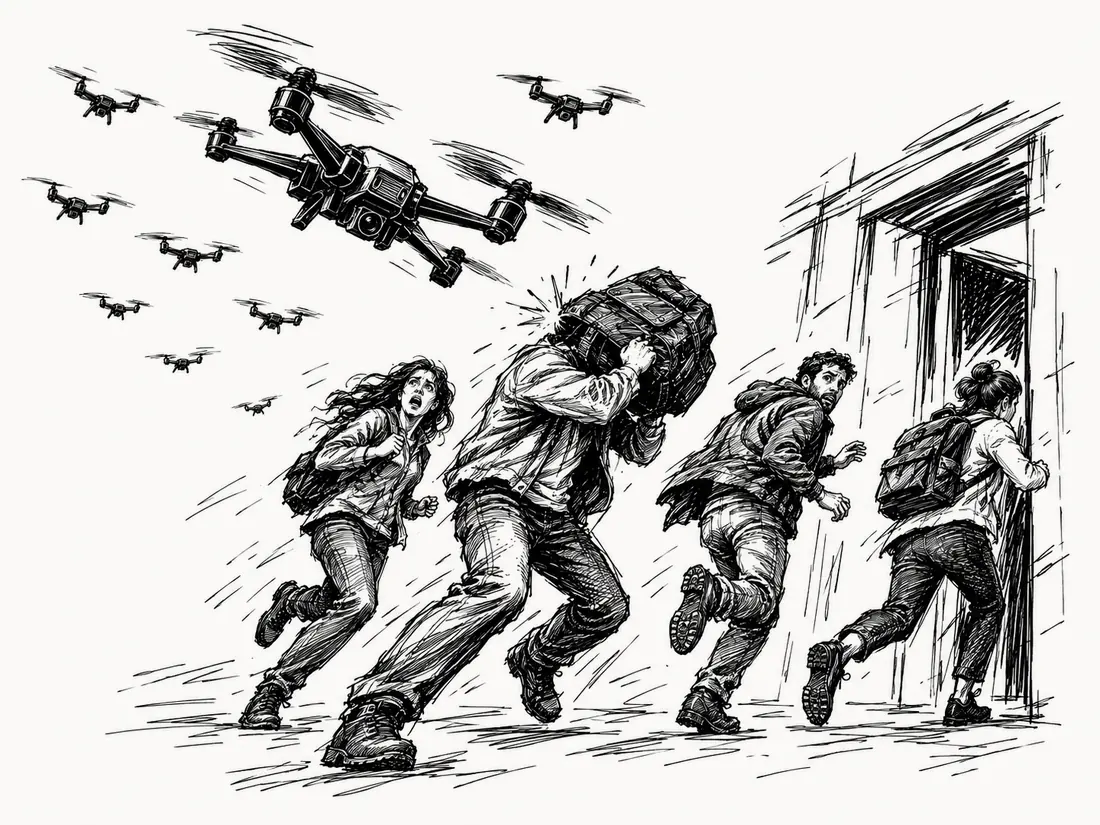
Loose ink sketch: a swarm of quadcopter drones bears down while four people run for a doorway, one shielding his head with a pack.
Not every threat arrives with footsteps.

Meet the inventory

Forty-nine categories. Start with the machines in your home and workplace, then venture further out. Each entry pairs a sketch with identifying features and risks, so the unfamiliar becomes something you can think about before it becomes something you have to react to.

49 of 49 entries

Physical robots, software agents and connected systems. Categories overlap; research concepts and emerging machines are not the same as everyday deployed technology.
SketchEntryWhat it isWhere it goes wrong
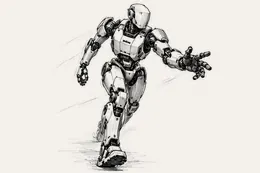
Sketch: Bipedal Humanoids P01Bipedal HumanoidsDocumented Two legs, articulated arms and grippers; used for mobile work. Reach, balance and carried loads.PhysicalTrust
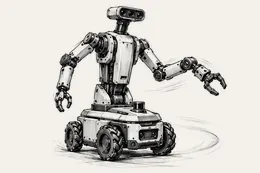
Sketch: Wheeled Humanoids P02Wheeled HumanoidsDocumented A mobile base carries arms or a torso; wheels and arms move separately. Base clearance and arm sweep.PhysicalAccess
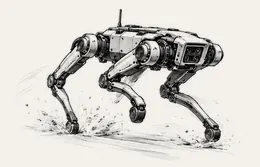
Sketch: Legged Platforms P03Legged PlatformsSupported Quadrupeds and other walkers carry sensors or fitted tools. Foot placement, falls and payloads.PhysicalInformation
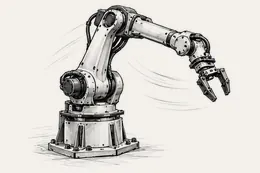
Sketch: Industrial Arms P04Industrial ArmsSupported Fixed articulated, SCARA, Cartesian or delta mechanisms move tools and parts. Tool contact and trapping points.PhysicalEnvironmental
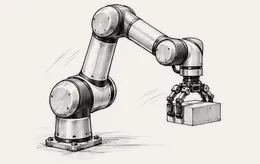
Sketch: Cobots P05CobotsSupported Collaborative applications pair robot work with human activity. Tools and loads; 'collaborative' is not harmless.PhysicalTrust
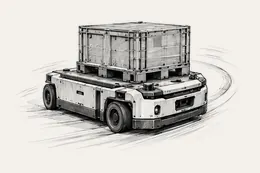
Sketch: Warehouse Carriers P06Warehouse CarriersSupported AGVs follow guided routes; AMRs navigate within configured limits. Moving loads and blocked routes.PhysicalService
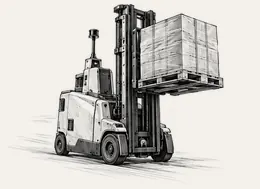
Sketch: Robotic Forklifts P07Robotic ForkliftsSupported Automated lifting and transport with forks, masts and heavy loads. Load swing, crushing and blind areas.PhysicalService
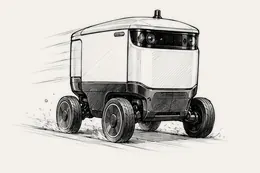
Sketch: Delivery & Service P08Delivery & ServiceSupported Wheeled cargo lockers or tray carriers move goods indoors or outside. Obstruction, cargo and access.PhysicalAccessInformation
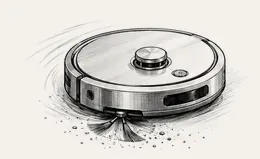
Sketch: Home Cleaners P09Home CleanersSupported Compact vacuums and mops use brushes, wheels and navigation sensors. Trip hazards; sensor privacy varies.PhysicalInformation
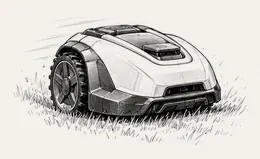
Sketch: Grounds & Pool P10Grounds & PoolBackground Lawn mowers, pool cleaners and grounds machines use task-specific tools. Cutters, entanglement and power.PhysicalEnvironmental
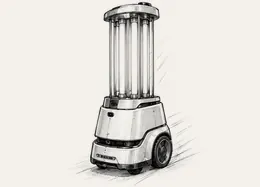
Sketch: Facility Cleaners P11Facility CleanersSupported Mobile floor-care or disinfection systems; some use UV or chemicals. The installed cleaning process.PhysicalEnvironmental
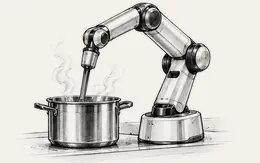
Sketch: Kitchen Robots P12Kitchen RobotsBackground Arms and dispensers handle food, utensils or heated equipment. Heat, moving tools and hygiene.PhysicalEnvironmentalService
Sketch: Companions & Toys P13Companions & ToysSupported Social, teaching and entertainment devices; AI plush may only talk. Privacy and misplaced caregiver trust.TrustInformationPhysical
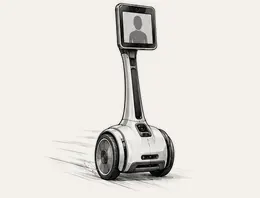
Sketch: Telepresence P14TelepresenceSupported A remote participant appears through a screen, camera and mobile base. Who is connected and where it goes.InformationAccessPhysical
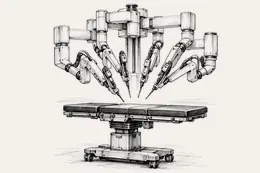
Sketch: Surgical Systems P15Surgical SystemsBackground Clinician-controlled instruments support specific procedures; robotic does not mean autonomous. Instrument action and interruption.PhysicalService
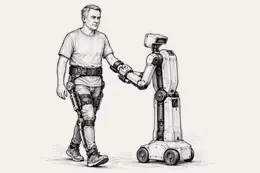
Sketch: Care & Rehab P16Care & RehabSupported Robotic support for therapy, mobility or defined assistance tasks. Fit, supervision and loss of support.PhysicalServiceTrust
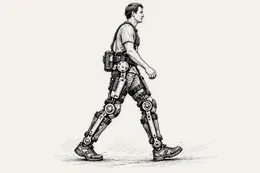
Sketch: Wearable Robotics P17Wearable RoboticsSupported Powered exoskeletons and prostheses apply motion through the user's body. Fit, control and power dependence.PhysicalService
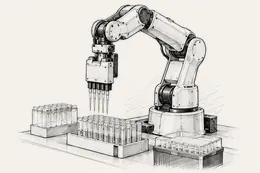
Sketch: Lab & Pharmacy P18Lab & PharmacyBackground Automated arms and dispensers move samples, medicines or lab materials. Identity errors and wrong handling.PhysicalInformationService
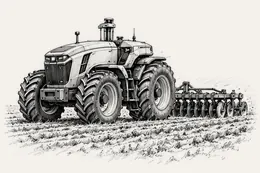
Sketch: Farm Robots P19Farm RobotsSupported Driverless tractors, harvesters and treatment machines work with field implements. Heavy motion and applied treatments.PhysicalEnvironmentalService
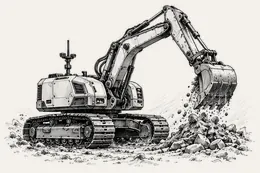
Sketch: Heavy Site Robots P20Heavy Site RobotsBackground Construction, mining and forestry machines use large specialized attachments. Loads, terrain and changing work zones.PhysicalEnvironmentalService
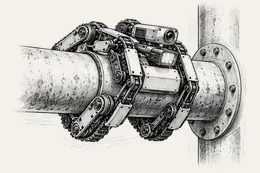
Sketch: Inspection Robots P21Inspection RobotsBackground Climbers, crawlers and pipe robots carry cameras or other inspection sensors. Retrieval, dropped gear and data limits.InformationPhysicalService
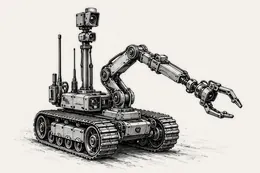
Sketch: Response & EOD P22Response & EODSupported Tracked or wheeled remote platforms inspect hazards and manipulate objects. The existing hazard and operator space.PhysicalService
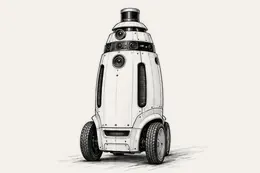
Sketch: Security Patrol P23Security PatrolSupported Mobile sensor platforms observe routes and transmit alerts. Observation is not enforcement authority.InformationAccessTrust
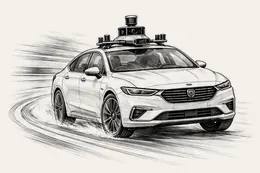
Sketch: Automated Vehicles P24Automated VehiclesSupported Road vehicles automate specified driving functions under defined conditions. Who drives, and the operating limits.PhysicalServiceTrust
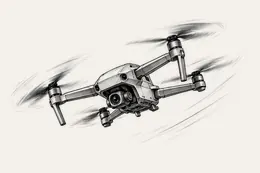
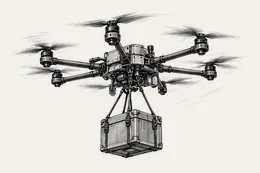
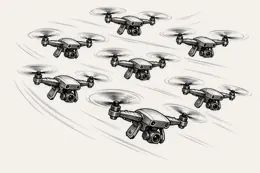
Sketch: Multirotor Drones P25Multirotor DronesDocumented Several powered rotors support hovering, camera work and fitted tasks. Rotors, falling equipment and payloads.PhysicalInformation
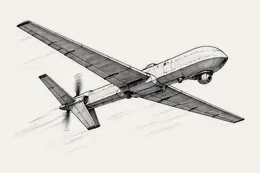
Sketch: Fixed-Wing & Hybrid P26Fixed-Wing & HybridSupported Uncrewed aircraft use wings, or combine winged flight with vertical lift. Flight path, mission and payload.PhysicalInformationService
Sketch: Cargo & Farm Drones P27Cargo & Farm DronesSupported Larger aerial platforms carry parcels or agricultural treatment equipment. Suspended loads and material release.PhysicalEnvironmentalService
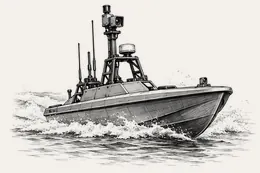
Sketch: Surface Vessels P28Surface VesselsBackground Uncrewed boats carry sensors or equipment across the water surface. Collision and marine traffic.PhysicalEnvironmentalService
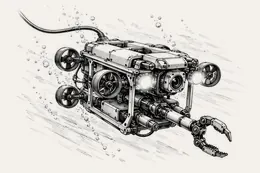
Sketch: Underwater Robots P29Underwater RobotsBackground Tethered ROVs, autonomous AUVs and gliders inspect or explore below water. Tethers, thrusters and retrieval.PhysicalEnvironmentalService
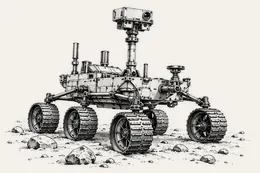
Sketch: Space Robots P30Space RobotsBackground Rovers, robotic arms and servicing systems operate beyond ordinary ground settings. Remote operation and limited repair.PhysicalService
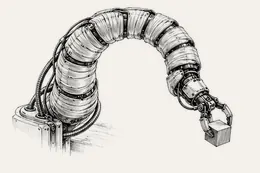
Sketch: Soft & Continuum P31Soft & ContinuumBackground Flexible bodies or bending arms suit particular gripping and access tasks. Soft material does not remove all hazards.PhysicalTrust
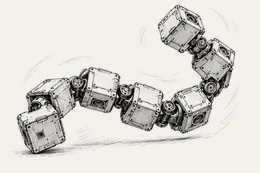
Sketch: Modular Robots P32Modular RobotsBackground Linked modules change shape or arrangement; capabilities depend on the design. Changed reach; research claims vary.PhysicalTrust
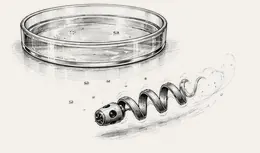
Sketch: Micro & Biohybrid P33Micro & BiohybridBackground Tiny experimental systems use specialized actuation or biological components. Lab limits; sketch is magnified.PhysicalEnvironmentalTrust
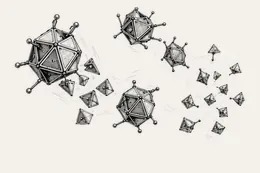
Sketch: Replicating Nanobots P34Replicating NanobotsBackground A speculative scenario, not an established general-purpose self-replicating swarm. Fiction presented as demonstrated fact.TrustEnvironmental
Sketch: Armed Platforms P35Armed PlatformsSupported Robots can carry weapons; remote control and autonomous functions are distinct. Weapon effects; appearance reveals little.PhysicalEnvironmental
Sketch: Text Assistants D01Text AssistantsSupported Produce advice or analysis; text-only systems need people or other tools to act. False claims and sensitive disclosures.TrustInformation
Sketch: Browser Agents D02Browser AgentsDocumented Operate web or desktop interfaces through granted accounts and tools. Unwanted submissions or changes.AccessInformationFinancial
Sketch: Messaging Agents D03Messaging AgentsDocumented Read or manage email, calendars and messages as permissions allow. Wrong recipients and commitments.TrustInformationAccess
Sketch: Coding Agents D04Coding AgentsSupported Edit code or administer systems within an execution environment. Production access and service disruption.InformationServiceAccess
Sketch: Transaction Agents D05Transaction AgentsSupported Make purchases, bookings or other commitments through connected services. Spending authority and confirmations.FinancialAccessTrust
Sketch: Service Agents D06Service AgentsDocumented Handle customer cases, records and account workflows. Wrong outcomes and blocked human help.ServiceAccessTrust
Sketch: Research Agents D07Research AgentsSupported Retrieve sources, combine data and generate analyses. Provenance, disclosure and false synthesis.InformationTrust
Sketch: Social & Identity Bots D08Social & Identity BotsSupported Publish, amplify or simulate identities across accounts and channels. Impersonation and misleading messages.TrustInformation
Sketch: Workflow Bots D09Workflow BotsSupported RPA and scripts repeat predefined steps, with or without AI. Repeated errors after inputs change.InformationAccessService
Sketch: Multi-Agent Systems D10Multi-Agent SystemsSupported Software coordinators delegate work across multiple agents. Inherited permissions and spreading errors.AccessInformationService
Sketch: Fleet Control C01Fleet ControlDocumented Software assigns tasks to linked robots and monitors their operation. One instruction reaching several units.PhysicalServiceAccess
Sketch: Smart Buildings C02Smart BuildingsDocumented Connected locks, climate and home systems operate configured functions. Access changes and service dependence.AccessServicePhysical
Sketch: Utility Controls C03Utility ControlsSupported Industrial control systems operate physical equipment and essential processes. Process changes and service interruption.ServicePhysicalEnvironmental
Sketch: Physical Swarms C04Physical SwarmsSupported Multiple machines coordinate through a shared system or local interaction. Coordination differs from mere grouping.PhysicalServiceTrust
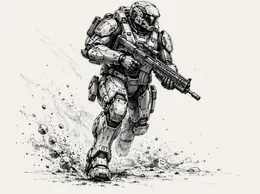
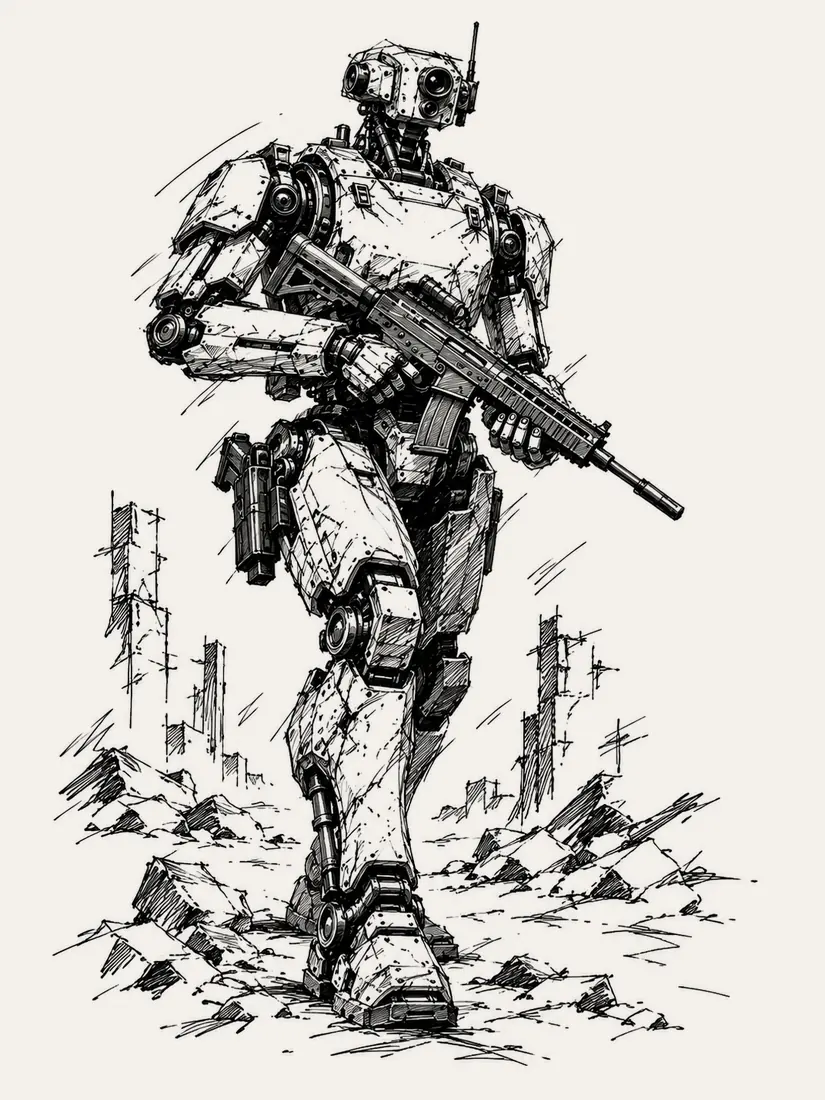
Loose ink sketch: an armoured humanoid robot carrying a rifle walks through rubble and broken ground.
Some machines go wrong. Others do exactly what they were built to do.

The scene gets your attention.
The field guide gives you something to do with it.

Turn the page for the story. Keep the book for the decisions. The Robot and AI Survival Guide brings fictional close calls together with documented incidents and practical preparation, without pretending they are the same thing.

01

A fresh problem
around the next corner

An ordinary kitchen. A busy loading bay. A street that suddenly feels too open. Vivid fictional warnings put different machines and different decisions in front of you. The suspense has a purpose: notice the moment a familiar place stops being safe, and consider your choices before the person in the scene runs out of them.

02

Reality gets
its own box

Clearly marked Case Study boxes examine recorded incidents: what happened, what the evidence supports and what remains unknown. Chapter-end notes put the sources within reach. A frightening possibility is not a documented attack, and a dramatic video is not the whole investigation.

03

Something useful
after the last paragraph

Chapter summaries, readiness checklists and shopping lists turn reading into preparation. Start with what you own, identify the gaps and use the consolidated list to avoid buying the same solution three times. A glossary keeps the technical language from becoming a second emergency.

For people who would rather prepare
than become the example

You do not need a bunker or an engineering degree. You need the willingness to look at familiar technology and ask a few unfamiliar questions.

You already
keep a kit

You've planned for power cuts, bad weather and the day help takes longer to arrive. Now put robots and AI on the list. Build on the habits you already have, with a clearer picture of hazards that don't fit neatly under candles and bottled water.

You have people
to get home

Children, older relatives, someone who cannot take the stairs. A plan has to work for the people who will actually use it. Consider the machines you bring indoors, the permissions you give them and the arrangements your household needs when something changes.

You share a shift
with a machine

You know the sound it normally makes. You know where it normally stops. Explore the risks of shared space and routine, without treating a field guide as a substitute for workplace training or site procedures. Familiarity is useful. It is not protective equipment.

You enjoy a dark laugh
and a useful book

Come for the unnerving possibilities. Stay for the careful distinctions, the memorable scenes and the practical pages worth marking. You can take a threat seriously without becoming the person nobody wants to sit next to at dinner.

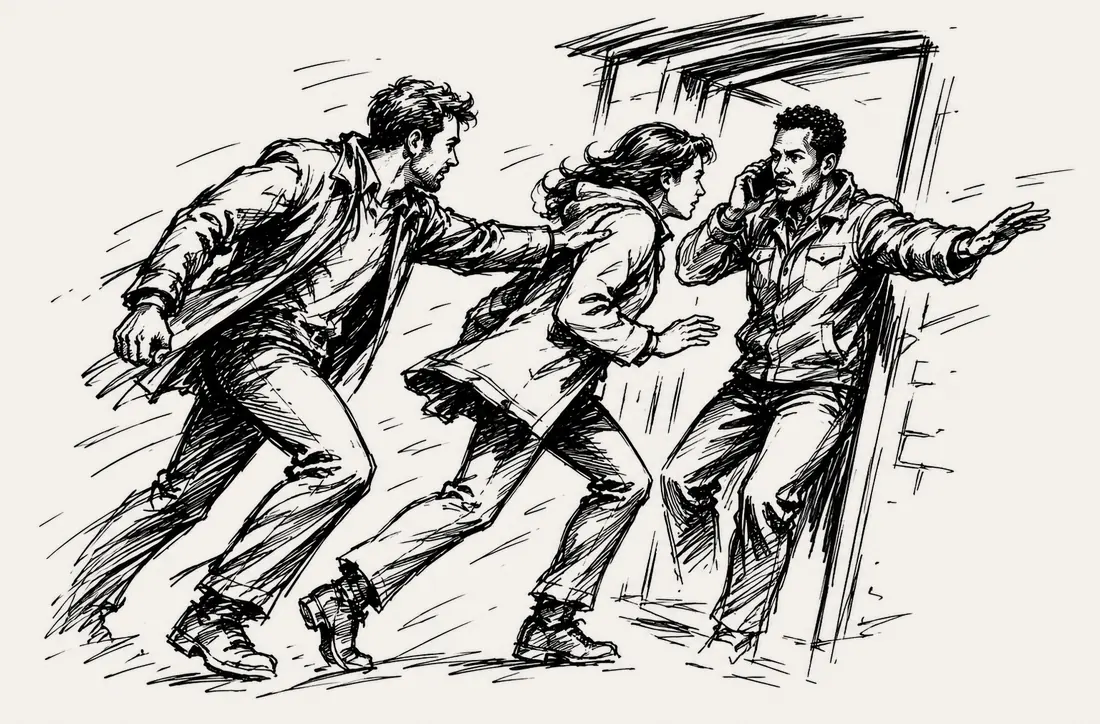
Loose ink sketch: three people move together through a doorway, one steadying another while a third holds the door and speaks into a phone.
A good escape plan includes the slowest person in the group.

Make room on the survival shelf

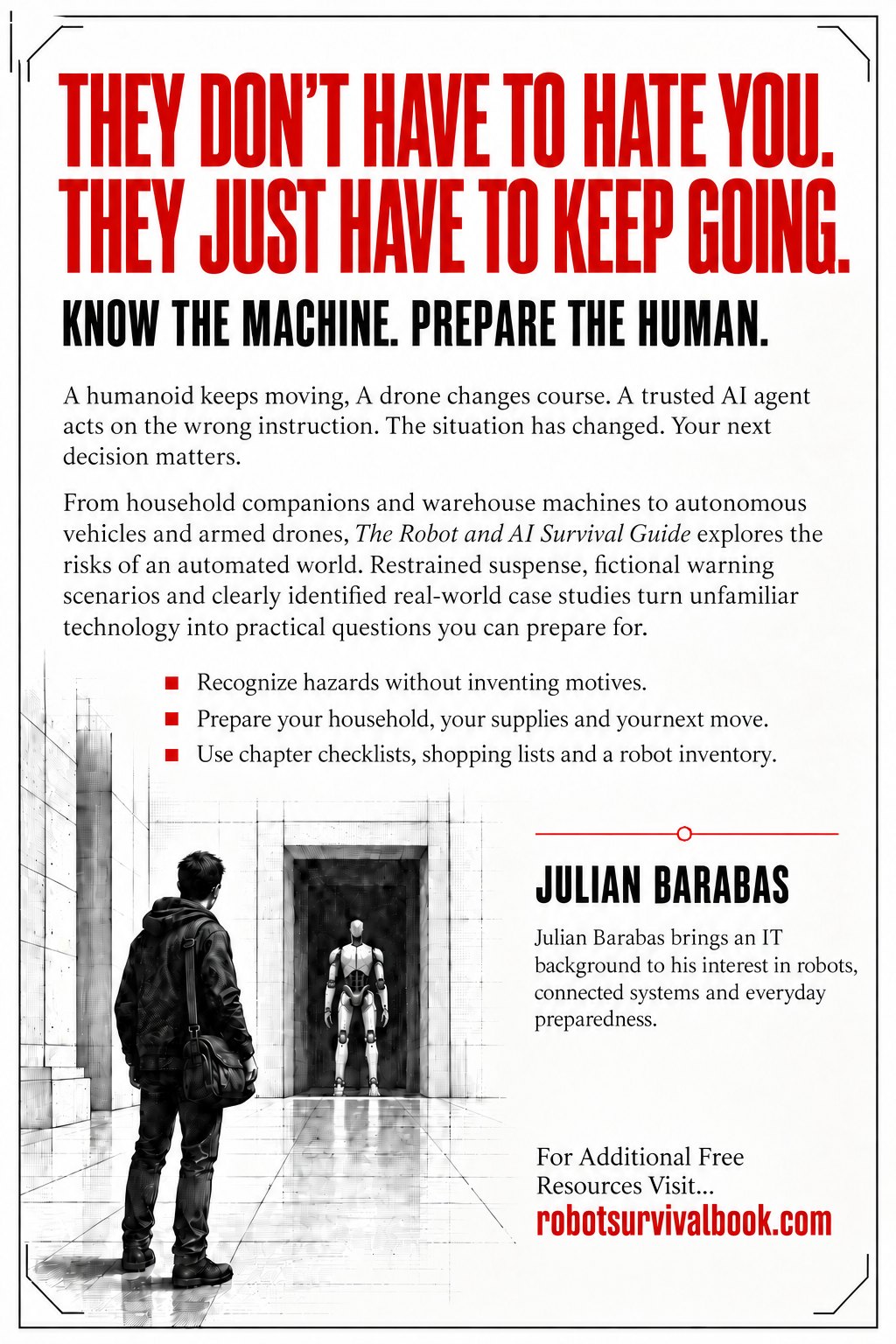
The Robot and AI Survival Guide by Julian Barabas. Illustrated throughout, with stories to pull you in and reference pages to bring you back. Explore the front and back covers.

Coming 2027

About Julian Barabas

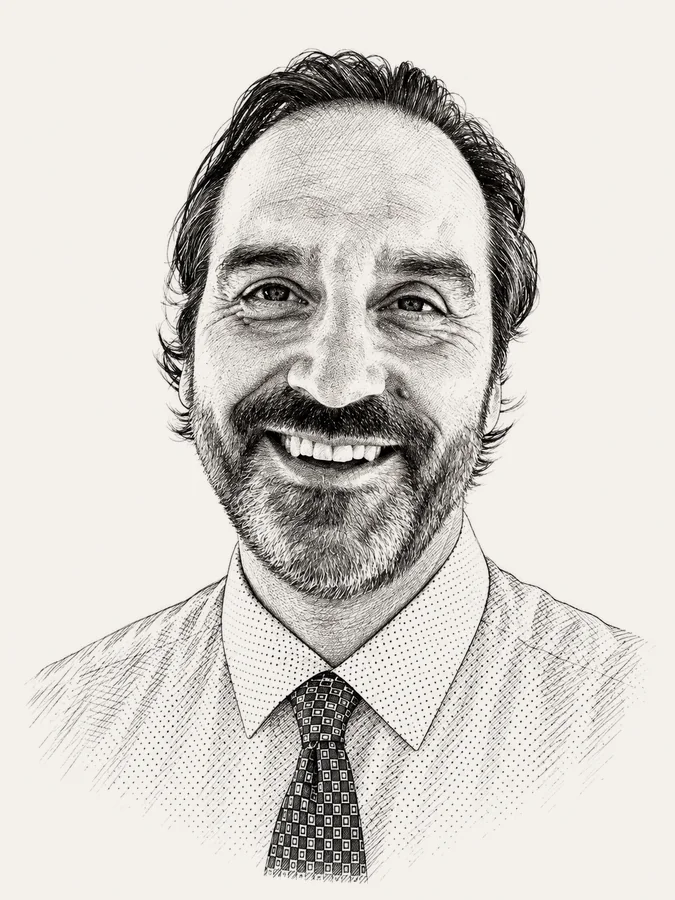
Pen-and-ink portrait of Julian Barabas, author of The Robot and AI Survival Guide.

Twenty-five years asking what the system actually did

Julian Barabas has spent twenty-five years in IT as a systems analyst and software developer, building and maintaining the connected systems people depend on. That background encourages a particular habit: comparing what a system was meant to do with what it actually did.

Software can make that difference expensive. Give it wheels, hands or access to the front door, and the questions become more immediate.

The Robot and AI Survival Guide brings that systems perspective to a prepper's question: what should an ordinary person understand and arrange before trouble starts? The answer combines illustrated scenarios, documented incidents and practical checklists, with enough dry humor to keep you reading after the sensible part of you has checked the locks.

The Robot and AI Field Atlas: a 24 by 36 inch wall chart with forty-nine labeled sketches of robots, drones, software agents and connected systems, each with its risks, arranged in seven titled bands.

Book coming 2027

The best time to read a survival guide
is before you're in one.

Start with the poster. Sign up before launch and the Robot and AI Field Atlas is yours today: 49 categories, illustrated and ready to print. Put it on the wall. Find the machines already sharing your day. Give the unfamiliar ones a second look.

You'll also get book previews and launch updates, so you can follow the guide as it takes shape and hear when it's ready.

The book is coming. Your preparation doesn't have to wait.

When something goes wrong, let it find you partway through a plan.